



16 Mar, 2026
Retrofitting Elevators in Existing Buildings: Structural Challenges
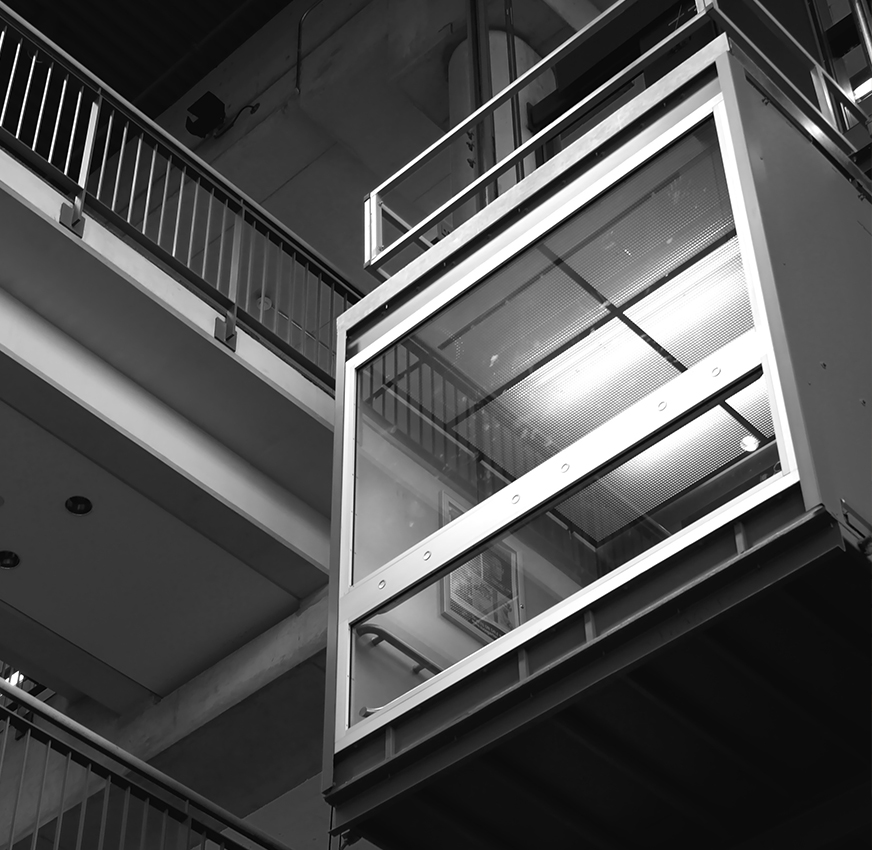
Introducing vertical transport means in an older building is one of the most difficult engineering challenges in the construction industry. Installing an elevator in an existing building is not just about locating an available corner; it necessitates a thorough comprehension of the initial load-bearing capacity and innovation-level usage of the space at hand. In case you decide on retrofitting elevators in existing buildings for accessibility improvement or property value increase, the structural soundness of the building site will be your main worry.
Jet Lifts is a company that primarily works with Hydraulic Systems, and as a matter of fact, it is well matched with retrofits due to its ability to be adjustable and also have fewer architectural demands. Our crew oversees the engineering challenges in elevator retrofitting so that your new implementation hardly appears as a separate addition, contrary to the original design.
The Core Structural Requirements for Elevator Installation
In the case of a new build, the elevator shaft is a main structural support. On the other hand, in the case of a retrofit, the building was not designed to accommodate a vertically running void. This results in multiple structural requirements for elevator installation that have to be resolved prior to starting the work.
- Foundation Reinforcement: Constructing a shaft for the lift and the heavy lift system results in new point loads. Usually, engineers have to strengthen the basement or foundation to bear the total weight of the shaft and the machinery.
- Creating Openings through Floor Slabs: Making a vertical opening through multiple stories involves stringent measures for shoring existing floor slabs to make sure they do not sag structurally or collapse.
- The “No Shaft” Problem: For lift installation in buildings without elevator shaft, it is often required that we build an external steel-frame hoistway or discover an internal “dead space” like an old stairwell or a light well.
How to Retrofit an Elevator in an Old or Existing Building
The method for elevator modernization and retrofit mostly hinges on the type of building materials, such as historic masonry, reinforced concrete, or a wooden frame. To understand how to retrofit an elevator in an old or existing building effectively, one must address these common issues:
Common Problems in Elevator Retrofit Projects
- Limited Overhead and Pit Space: Most of the time, older buildings do not have the depth for a standard pit or the height for a standard overhead. This is where What is structural retrofitting of existing buildings comes to the rescue, sometimes, even low-pit specialized technology is necessary.
- Utilities Interference: More often than not, very old plumbing, electrical lines, or HVAC ducts are at the exact location of the proposed new shaft. As a result, an expensive rerouting occurs.
- Heritage Constraints: With historic buildings, retrofitting elevators in existing buildings has to be done without harming protected facades or structural elements.
Retrofitting Elevators in Existing Buildings: Cost and Value
Although the retrofitting elevators in existing buildings cost is generally a bit more than a new installation, the profit one receives in the long run is quite substantial. It is estimated that putting a lift in a multi-level commercial or residential building not only raises the value of the property by 20% to 30% but also brings it up to the current accessibility standards.
Jet Lifts deals with lift retrofit structural challenges through the provision of compact gearless or hydraulic systems that significantly reduce the extent of structural changes. If you decide to work with a company that knows how to retrofit an elevator in an old or existing building, you will not encounter extra “hidden” costs that result from poor planning.
Conclusion
Retrofitting is a really skilled job that needs very exact work, a great knowledge of engineering, and lots of experience in the field. Don’t let lift retrofit structural challenges prevent you from making your building a modern one of the 21st century. Our staff is committed to coming up with creative ways of keeping the look of your property and, at the same time, greatly improving its accessibility, safety, and overall market value well into the future.
Partnering with a company that focuses on structural soundness and engineering done to measure, you make sure that your upgrading work will be carried out with minimal disturbance to the current tenants and with maximum long-term dependability. We take on the difficult parts of structural analysis of loading and dealing with limited spaces, so you won’t have to.
Ready to modernize your structure? Contact Jet Lifts today for a comprehensive structural audit and start your journey toward seamless vertical accessibility!
Frequently Asked Questions
- Could you install a lift in a building without an elevator shaft?
Indeed, it is possible. We have the option of building a glass or steel hoistway on the exterior of the building, or we can make use of modular internal shafts that need only minimal structural modifications.
- What is structural retrofitting of existing buildings in this context?
It is the work of making the building’s existing beams, columns, or foundations stronger so that they can safely carry the weight and vibrations of a new elevator system.
- Which is more suitable for retrofitting: Traction or Hydraulic?
Hydraulic elevators are a better bet for lift retrofit structural challenges because the load is passed to the ground instead of the overhead structure, which makes them a good match for older frames.