



12 Mar, 2026
Machine Room vs Machine Room-Less: Civil Planning Implications
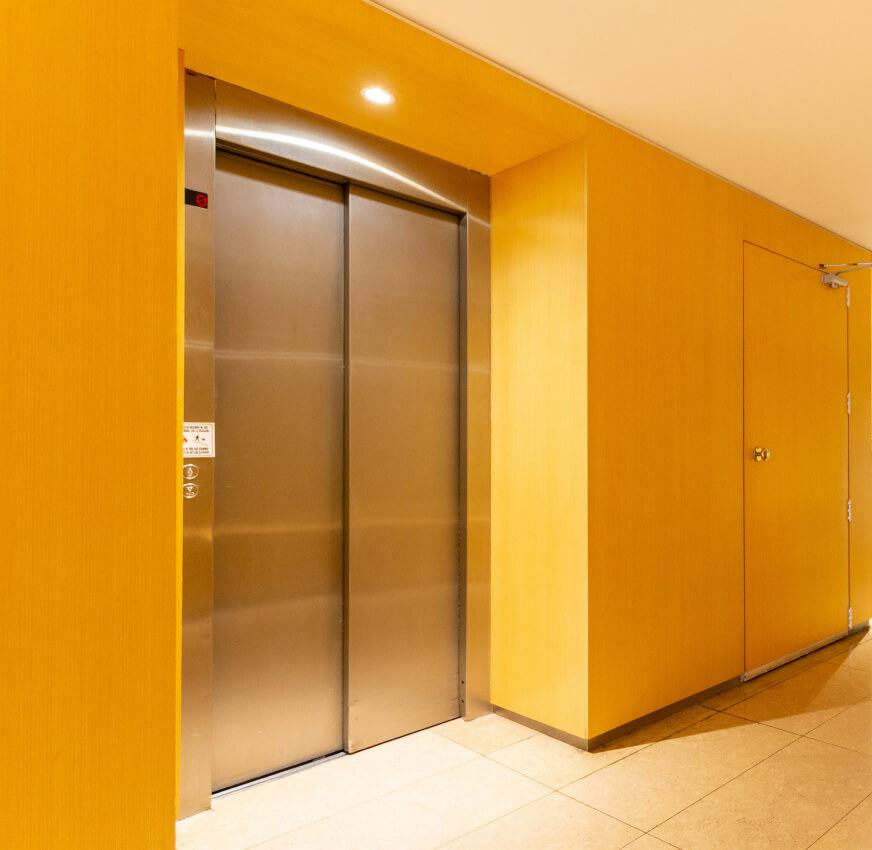
Starting with the vertical transportation system, one of the biggest structural issues is the decision between a conventional machinery room lift and a contemporary Machine Room-Less (MRL) lift. The difference between MRL elevator vs machine room elevator technology not only changes the mechanics of the elevator but also the building’s architecture. Getting to know the elevator civil planning requirements at the very early stage of design is very important for controlling the budget and the effective use of space, especially in projects involving goods elevators in Gandhinagar, Ahmedabad, and other rapidly developing industrial cities in Gujarat. We ensure your vertical transportation aligns perfectly with your architecture.
At Jet Lifts, we mainly deal with MRL Gearless Systems that help in saving floor space. Whether you are changing an existing building or making a new skyscraper, the decision between machine room vs machine room-less elevator layouts will characterize your project’s space.
What is a Machine Room in an Elevator?
In the past, traction elevators had to have a special structural space considered in the design that was situated right above the elevator shaft (hoistway).
Elevator Machine Room Requirements
Planning a machine room lift construction includes designing a room that can accommodate the hoisting machine, electrical controllers, and speed governors, which is especially important for goods elevators in Bharuch and other warehouse-driven cities in Gujarat used in industrial environments. Such a room should have:
- Dedicated Structural Support: Considering the floor will have to hold the substantial weight of the motor and drive.
- Climate Control: Proper ventilation or air conditioning to keep the electrical components from overheating.
- Access Paths: Safe and permanent access (stairs or ladders) for maintenance technicians.
- Vertical Space: This often means the addition of a “penthouse” on the building’s roof, which can change the building’s silhouette and could be a problem with zoning height limits.
What is a Machine Room-Less Elevator?
Machine room-less elevator construction places the driving and controller components within the shaft itself, usually near the top or alongside the shaft walls.
Machine Room-Less vs Machine Room Lift Design
The difference between machine room and machine room-less elevator layouts relies on where one decides to keep the “brain” and “muscle” parts of the system. MRL systems eliminate a rooftop room simply by relocating the machinery into the shaft, a benefit often considered in multi-level developments such as car elevators in Bharuch, Ahmedabad, and other growing commercial cities. This offers substantial changes in terms of civil construction requirements for elevators, and it also allows architects to have flat roofs or have top floors that serve other purposes such as penthouses or rooftop gardens.
Machine Room vs MRL Elevator Advantages
Choosing the right system depends on the building’s height, traffic flow, and budget. Here is a breakdown of the machine room vs machine room-less elevator benefits:
| Feature | Machine Room Elevator | Machine Room-Less (MRL) |
| Space Requirements | Requires separate room (approx. 5-10 sqm) | All equipment fits inside the shaft |
| Construction Cost |
Higher due to additional structural room |
Lower structural costs, but higher tech cost |
| Maintenance |
Easier access for technicians |
Requires specialized access within the shaft |
| Building Height |
Suitable for very high-rise buildings |
Best for low to mid-rise (up to 20-30 floors) |
Elevator Civil Planning Requirements
At Jet Lifts, we aren’t just providing assistance, we are an ally to developers and other players in the housing industry regarding their elevator civil planning requirements. We work with developers to ensure work begins on the hoistway on time and is completed correctly.
Your worries about saving space for elevator systems are over. You almost don’t need to worry about space when using MRL, you will only need to set higher overhead clearance at the top of the shaft to fit the machinery. On the other hand, for machine room lift construction, we can give you exact load-bearing specifications for your floor to avoid structural settling. When you consider these elevator machine room space requirements, you avoid costly mid-construction redesigns.
Conclusion
Choosing an elevator system that best suits your needs is a major decision in the planning of your building’s civil works. It is a matter of preference for customers whether to go with the traditional machine room elevator for its easy maintenance or with the space-saving feature of an MRL system. Jet Lifts is a company with a very knowledgeable team that can meet your needs by providing technical expertise, precision engineering, and dedicated support throughout the entire structural phase of your project.
Need an elevator that will help you gain more space on your floors? Get in touch with Jet Lifts today and schedule a consultation to identify the right elevator system for your project!
Frequently Asked Questions
- Are MRL elevators more costly than machine room elevators?
Though elevator parts might be more expensive due to the compact design, the total construction cost is generally less as you don’t have to build a costly rooftop machine room.
- Is it possible to change a machine room lift into an MRL one during modernization?
Of course. It is common practice to switch to an MRL system when modernizing to free up the old machine room space for storage or other uses.
- What are the main machine room vs MRL elevator advantages in residential areas?
Usually, for residential projects, the MRL is preferred. It produces less noise, consumes less energy, and avoids the construction of a large rooftop room that might conflict with height regulations.
- Are there any special civil construction requirements for elevators using MRL?
Indeed. MRL elevator shafts generally need reinforced “pockets” in the shaft walls for motor brackets, and the overhead space dimensions are usually larger than a standard machine room shaft.