



13 Apr, 2026
Decision Framework: Choosing Between Gearless, Hydraulic & MRL
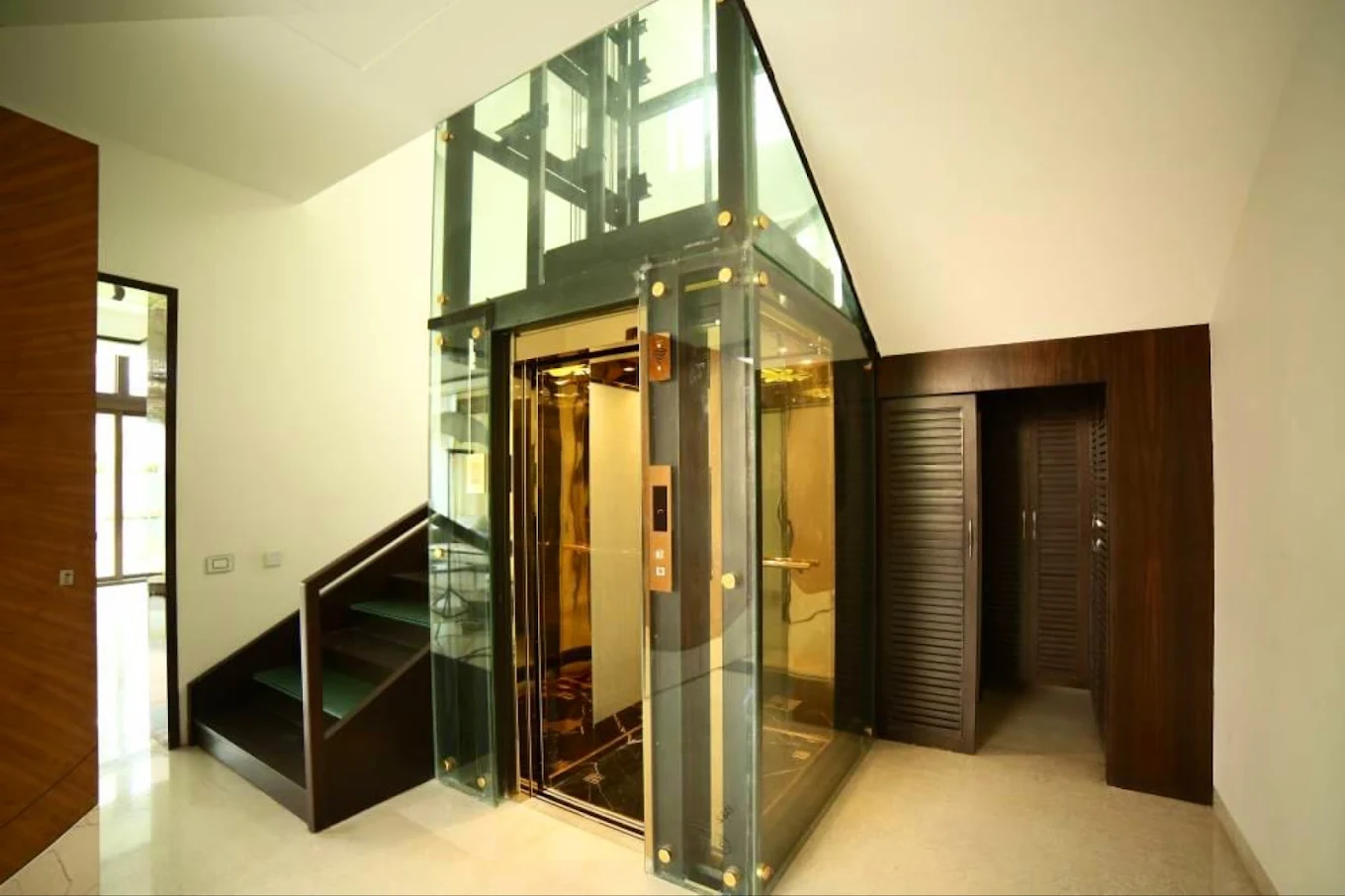
Choosing the right elevator system is undoubtedly a non-negotiable that not only impacts a building’s performance but also user’s experience as well as long-term operational expenses in the long run. That’s why a detailed elevator types comparison is often considered a practical solution that helps builders, architects and even developers to select a system that truly aligns with their specific project goals.
Furthermore, from simply understanding the basic functionality to analysing the overall cost and efficiency, this guide effectively explains types of elevators along with their benefits to help you decide which elevator is best for your building and is actually worth both your valuable time as well as money.
Understanding the Core Elevator Systems
Before diving directly into a well-detailed elevator system comparison, it’s extremely crucial to understand the working of each type.
1. Gearless Elevators
Gearless elevators typically operate by using traction systems without gears to enable the motor to control the overall movement directly, making them ideal for high-rise projects such as industrial elevators in Ahmedabad, Gandhinagar, and other major commercial hubs in Gujarat. Here are some of the key benefits of gearless elevators:
- Unmatched performance ideal for high-rise buildings
- Seamless operation
- Significantly longer lifespan with just a fewer mechanical parts
That’s why these systems are usually considered some of the best elevator types for commercial building projects with heavy traffic as well as tall or high-rise structures.
2. Hydraulic Elevators
Hydraulic elevators primarily incorporate a piston that is meticulously powered by hydraulic fluid to move the elevator, commonly used in applications like industrial elevators in Gandhinagar and Bhuj where low rise heavy load movement is required. Moreover, here are a few common hydraulic elevator benefits for low-rise buildings:
- Slightly lower installation costs in comparison to traction systems
- Easier maintenance along with simple designs
- Top-notch performance for buildings up to almost 5-6 floors
Nevertheless, they tend to consume significantly more energy and are often considered quite slower in comparison to other systems.
3. Machine Room-Less (MRL) Elevators
Are you also someone who’s still wondering, “What is MRL?” Well, it basically refers to elevators that seamlessly eliminate the overall need for a separate machine room by integrating all the required components within the shaft. Nonetheless, here are a few MRL elevator advantages:
- Space-saving, practical design
- Lower construction cost (no separate machine room)
- Highly energy-efficient operation
Thus, nowadays MRL elevators with their unmatched efficiency and flexibility are becoming a major choice among the modern architecture world.
Elevator Types Comparison: Key Decision Criteria
A practical elevator selection guide for architects must consider various factors before making a decision, entirely based on cost.
1. Building Height and Usage
Although hydraulic elevators are a practical choice in low-rise buildings (1-5 floors), MRL elevators provide top-notch balance in mid-rise buildings (5-15 floors). Additionally, gearless elevators are well-known for their unbeatable performance in high-rise (15+ floors) buildings.
2. Space Availability
Still confused about “Which is better: MRL or hydraulic elevator?” Well, it often depends on your specific project needs. For instance, MRL elevators are considered ideal for limited space concerns, but gearless or hydraulic elevators, on the other hand, are suitable for spacious designs.
3. Energy Efficiency
Both gearless as well as MRL systems usually consume less power in comparison to hydraulic systems that require significantly more energy. Furthermore, gearless elevators often outperform hydraulic systems in terms of performance, while hydraulic elevators remain highly cost-effective for smaller buildings.
4. Installation and Maintenance
Both hydraulic and MRL elevators offer easier installation along with optimal maintenance. Nonetheless, gearless elevators provide complex installation while ensuring lower long-term maintenance over time, and are widely used in car elevators in Indore and other commercial vehicle handling projects where performance and durability are critical.
Conclusion
A well-detailed elevator type comparison is undoubtedly necessary for making the right decision. Therefore, every system, namely MRL, hydraulic & gearless elevators, is especially designed to offer a unique purpose solely based on the building’s budget, height and usage requirements.
Although gearless elevators are suitable for high-rise buildings with heavy traffic, hydraulic elevators offer the best cost-effective solutions for low-rise structures. In addition, MRL elevators are usually well-known for offering a modern, space-saving, and remarkably energy-efficient option for mid-rise buildings.
Nevertheless, the best option typically depends on aligning all the technical requirements with practical, long-term operational goals. In short, a well-informed decision not only helps ensure seamless vertical transportation but also boosts the overall user experience along with property value in the long run.
Do you also want to select the perfect elevator system for your next project but don’t know where to begin? Then, partner with Jet Lifts now to get the most innovative yet cost-effective elevator solutions!
FAQ’s
1. What is MRL in elevators?
MRL simply means ‘Machine Room-Less’ elevators, which seamlessly eliminate the overall need for a separate machine room to ensure optimal space usage.
2. Which elevator is better: gearless or hydraulic?
Gearless elevators are usually considered ideal for high-rise buildings; however, hydraulic elevators, on the other hand, are a suitable option for low-rise buildings due to slightly lower costs.
3. What are the advantages of MRL elevators?
MRL elevators provide space-saving design, top-notch energy efficiency, and faster yet relatively easier installation.
4. Which elevator is best for buildings?
Both MRL as well as gearless elevators are often considered the most sought-after options, specifically depending on the building’s overall traffic and height.
5. When to choose an MRL elevator system?
You may choose the MRL elevator system in case of limited space issues, energy efficiency, and lower construction complexity.
6. How do I select the right elevator system?
You can consider following an elevator selection guide for architects by analysing the building’s overall budget, height, space, and long-term efficiency requirements.