



15 Apr, 2026
How Building Height, Load & Usage Dictate Elevator Technology
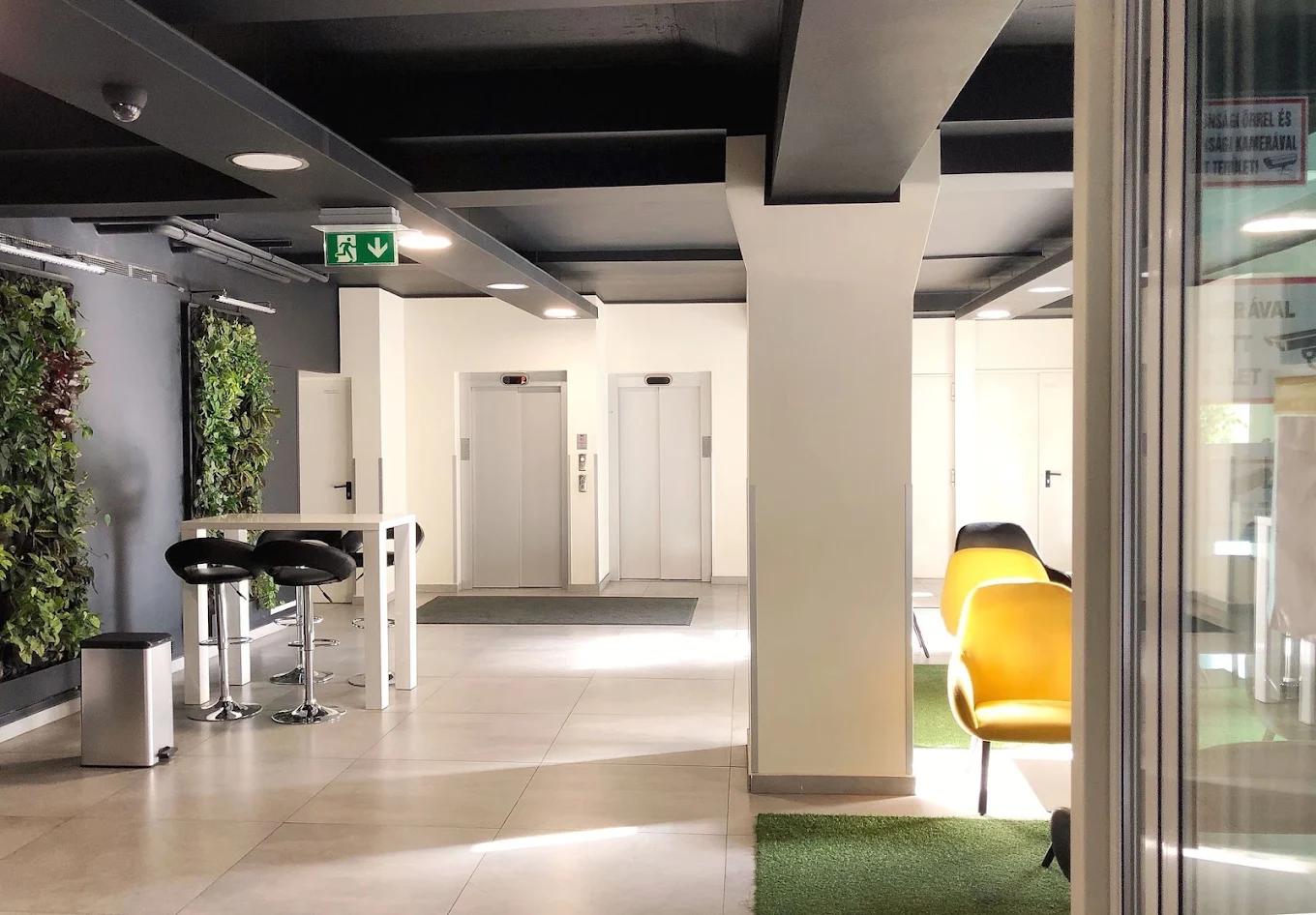
Choosing the appropriate vertical transportation system is a very important step in the development of modern architecture. Regardless of whether you are planning a tall commercial building or even a small residential villa, elevator selection for building height and expected traffic patterns is still the foundation of operational efficiency. The selection of lift technology is not a simple matter of fitting the same solution.
For property owners, understanding how building height affects elevator technology is the key to maintaining low waiting times and high property values.
How Building Height Affects Elevator Technology and Type
Building height is really the main factor that dictates what kind of elevator you can get. The longer the elevator has to go, the faster it must be, and also, more sophisticated suspension systems will be required.
- Low-Rise Buildings (2–5 Floors): Generally, for buildings with a short vertical dimension, Hydraulic system Lifts tend to be the most suitable option. They are capable of lifting heavy loads and have comparatively lower initial installation costs. However, Machine Room-Less (MRL) Lifts are also becoming popular due to their compact design.
- Mid-Rise Buildings (6–15 Floors): Height and speed aspects drive the elevator selection guide for buildings in this category. Geared traction elevators or high-end MRL systems are common choices. They tend to provide a ride that is quite smooth while reaching speeds of 1.0 m/s to 1.75 m/s.
- High-Rise Buildings (16+ Floors): Gearless traction technology is probably the only way to go in skyscrapers.
If you are considering a new building, checking out our commercial elevator solutions will allow you to figure out the ideal travel speed based on the number of floors.
Understanding Load Capacity and Usage Patterns
Usage determines the “genetic” composition of the lift. An elevator in a hospital bed has extremely different needs in comparison to a luxury lift in a home or a heavy-duty industrial hoist.
Elevator Usage Types in Buildings
Traffic flow analysis helps determine the number of units required. For example, elevator usage types in buildings like hotels require reliable operation 24/7 and luggage-friendly dimensions, whereas office buildings have the most traffic at the beginning and end of the day.
- Residential: It is mainly about providing comfort, good looks, and a quiet lift.
- Commercial: It mainly counts on handling capacity (the number of people moved in a 5-minute window).
- Industrial: These are purpose-built for long-lasting use with reinforced floors and high elevator load capacity guide compliance for moving heavy goods.
To do an elevator load capacity calculation for buildings correctly, engineers most often adopt a weight per person range from 68kg to 75kg.
MR vs. MRL Lifts: The Difference in Space and Planning
One of the most frequent questions in elevator system planning for commercial buildings is: What is the difference between MR and MRL lifts?
- MR (Machine Room) Lifts: They have a separate room, usually on top of the hoistway, with the motor and controller. Apart from being simpler to service, they are typically more durable for extremely tall or heavy-duty operations.
- MRL (Machine Room-Less) Lifts: The equipment is located inside the shaft itself. They are architects’ first choice when it comes to saving roof space or avoiding “protrusions” in the building’s outline.
When it comes to projects with very limited overhead space, our MRL elevator solutions provide a simple, elegant alternative without giving up on safety or speed.
Factors Affecting Elevator Technology Selection
Besides height and load, some other factors affecting elevator technology impact the final selection for a building:
- Waiting Time: Normally, a building elevator passenger should not wait longer than 30 seconds.
- Energy Efficiency: Today’s regenerative drives are capable of feeding energy back to the building’s grid when the elevator is going down.
- Safety Features: Industry standards for high-risk areas include Automated Rescue Devices (ARD) and seismic sensors.
- Aesthetics: Better user experience is achieved in luxury developments through high-end cabins with touchscreens and premium finishes.
Frequently Asked Questions
How many elevators are required for a building of a certain height?
Generally, commercial buildings require one elevator per 200–250 occupants. For residential towers, a ratio of one high-capacity lift per 60–80 units is standard, though two are advised for redundancy.
What is the difference between MR and MRL lifts?
The fundamental difference is the motor’s location. MR (Machine Room) lifts have their machinery in a separate room, while MRL (Machine Room-Less) lifts house the motor within the elevator shaft to save space.
How to calculate elevator capacity?
Total weight capacity is divided by the average passenger weight (approx. 70kg). You must also consider floor space; a standard car for 8 people is usually around 1100mm x 1400mm.
Why does building height affect elevator technology?
Taller buildings require traction systems with higher speeds to ensure passengers aren’t in transit too long. Hydraulic systems are too slow and limited in height for buildings over 5–6 floors.
Conclusion
Picking the perfect lift for your building is not just a purchase but a step towards ensuring its sustainability over time. With Jet Lifts, you get the best of both worlds, a customer-oriented approach and our deep understanding of engineering from 16+ years to manufacture vertical transportation that is not only safe but also smooth and energy-efficient.
Taking the first step with your project? Contact Jet Lifts today to receive a detailed site survey and expert elevator selection consultation!