



08 May, 2026
Why Commercial Elevators Fail Under Peak Traffic Conditions?
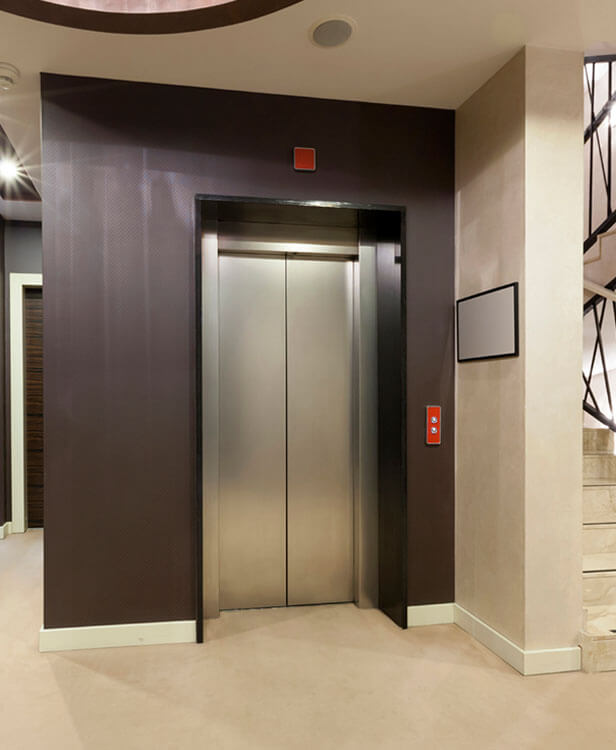
Modern commercial buildings rely heavily on highly performative elevators to ensure smooth day-to-day operations, especially in large-scale projects requiring customized elevators in Ahmedabad for efficient passenger movement and building-specific design needs. Additionally, whether it’s shopping malls, corporate offices, hospitals or even business complexes, elevators play a remarkable role in managing overall passenger movement. Meanwhile, lots of facility managers and property owners are struggling with major commercial elevator traffic problems.
And, due to the rapid growth of urban infrastructure in India, it’s just the beginning. Why so? Whenever elevator systems fail to manage higher passenger volumes, it ultimately takes a toll on visitor experience, employee productivity, and even the reputation of the building itself in severe cases.
That’s why understanding why commercial elevators slow down during peak traffic hours is crucial for not only architects but also developers and commercial property managers. Let’s discuss the reasons behind the failure of commercial elevators during busy hours and how passenger flow analysis and elevator traffic studies impact it over time.
Understanding Why Do Elevators Fail During Peak Hours
Here are the most common reasons for elevator failures in office buildings and commercial complexes during busy hours:
1. Poor Elevator Planning During Construction
Unnecessary waiting time, unsatisfactory visitor experience, and lower employee productivity are often considered the major impacts of poor elevator planning on traffic flow during the design phase of the building. Furthermore, lots of commercial projects typically underestimate:
- Future occupancy growth
- Everyday passenger movement
- Overall traffic distribution across the floors
- Peak-hour/busy-hours passenger demand
Therefore, developers may consider studying these common elevator planning mistakes architects make long before even finalising commercial building layouts for high-rise elevators in Gandhidham where traffic demand is significantly higher.
2. Incorrect Elevator Handling Capacity Calculation
Inaccurate elevator handling capacity calculations often rank second on the “why elevators fail during busy periods” list. Moreover, handling capacity primarily refers to the overall number of passengers an elevator system can transport efficiently within a fixed period during heavy traffic conditions.
However, if the system is specifically designed for fewer passengers than the actual building occupancy, elevators become overloaded way faster than expected, particularly in projects like high-rise elevators in Jodhpur, Surat, and other expanding commercial cities in Gujarat where vertical traffic demand is intense.
Elevator Traffic Analysis in Commercial Buildings
Nowadays, lots of developers incorporate elevator traffic analysis in commercial buildings even before installing top-notch elevator systems. Nevertheless, here’s what traffic analysis truly helps determine:
- The number of elevators required
- Optimal cabin capacity
- Elevator speed requirements
- Passenger movement patterns
- Future-ready scalability measures
In short, this process not only helps minimise congestion but also boosts overall passenger convenience in the long run. Furthermore, here are a few common benefits of elevator traffic analysis:
- Lower waiting times
- Improved passenger movement
- Optimal energy efficiency
- Higher tenant satisfaction
- Lower maintenance stress
- Improved operational performance
How to Reduce Elevator Waiting Time in Commercial Buildings?
Minimising elevator congestion usually requires a meticulous combination of strategic planning and advanced technology.
1. Install Destination Control Systems
Destination control systems group passengers travelling to similar floors together, minimising unnecessary stops while improving overall travel efficiency.
2. Upgrade to High-Speed Gearless Elevators
Modern traction gearless elevator systems from Jet Lifts move faster, handle larger passenger loads, consume less energy, ensure smoother rides and, most importantly, require lower maintenance over time.
3. Divide Elevators into Zones
In tall commercial buildings, zoning elevators for specific floor groups significantly decreases overcrowding, along with unnecessary travel delays.
4. Monitor Real-Time Traffic Patterns
Modern monitoring systems are well-known for tracking passenger movement, elevator usage frequency, peak-hour congestion, and waiting time trends. Additionally, this helps building managers optimise overall elevator operations with top-notch efficiency.
Best Commercial Elevator Systems for Office Buildings
The best commercial elevator systems for office buildings are especially designed to handle high traffic efficiently without compromising on passenger safety and comfort. Furthermore, here are the key features of these elevator systems:
- Gearless traction technology
- Energy-efficient motors
- Intelligent traffic management
- Faster travel speeds
- Innovative safety systems
- Predictive maintenance support
In addition, modern elevator performance improvement services from partners like Jet Lifts are helping commercial buildings across India improve elevator efficiency while minimising overall congestion and maintenance expenses.
Conclusion
Commercial elevator traffic problems are not just minor operational concerns anymore. The reason – in modern commercial infrastructure, elevator efficiency directly affects overall user experience, productivity, and building performance. Most elevator failures during busy hours are due to poor planning, outdated technology, insufficient handling capacity, and a lack of preventive maintenance.
However, understanding why elevators fail during peak hours truly allows developers and property managers to make better decisions during the design and installation process. Moreover, with proper elevator traffic analysis, high-speed gearless technology, and routine servicing, commercial buildings can remarkably boost passenger flow while minimising unnecessary waiting times.
Looking for practical solutions to solve elevator waiting time problems in office buildings or commercial complexes? Get in touch with Jet Lifts now to improve passenger flow and create smarter, future-proof building infrastructures!
FAQ’s
1. Why do elevators fail during peak hours?
Elevators fail during busy hours due to exceeding passenger demand in comparison to the system’s overall handling capacity.
2. How to reduce elevator waiting time problems in office buildings?
Office buildings can minimise waiting time by conducting traffic analysis, installing smart dispatch systems, and upgrading to modern gearless elevators.
3. What is elevator handling capacity calculation?
It is the process of determining how many passengers an elevator system can efficiently transport during high-traffic periods.
4. Which are the best commercial elevator systems for office buildings?
Modern gearless traction elevators with innovative traffic management systems are often considered the best option for high-rise office buildings.