



21 Jul, 2026
Custom Elevator Engineering vs Standard Packages
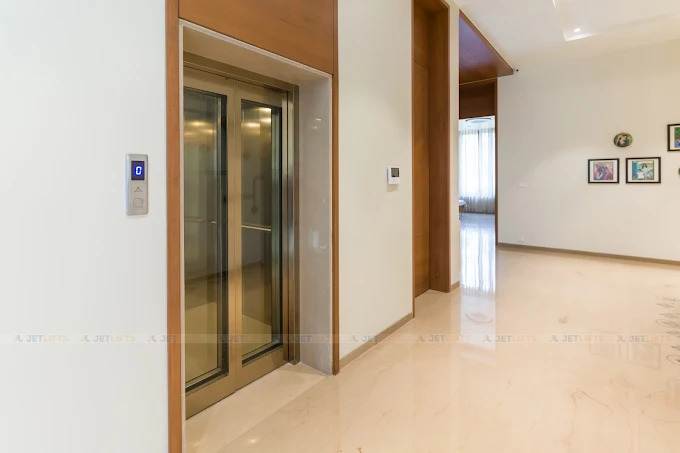
Choose a custom elevator when a building is more than a simple box, and choose a standard elevator when a model from a catalog genuinely suits the shaft. The decision determines the quality of the elevator ride, costs, and the duration of elevator use, which is the reason why lift solutions deserve to be considered in detail rather than just be mentioned in the quote. Odd shafts, retrofits, or luxurious cabins can be easily installed with the help of customized lift solutions when typical models cannot be used.
Custom elevator vs standard elevator: what actually differs
The custom elevator vs standard elevator lies in the fitting aspect. A standard elevator package that has fixed sizes of the cabin, fixed capacity, and fixed shaft, and is delivered quickly and cheaply. On the contrary, custom elevator design creates the car considering the characteristics of the building.
The drive system is a part of the fitting process. А traction gearless system can be used for long trips and big loads, while hydraulic systems are meant for low buildings and houses where there is no machine room. A standard package usually means that there is only one option available for you, while elevator customization allows you to choose the machine that suits your needs best.
When a standard elevator package is the right call
Choose a standard elevator package when your building is conventional, and your shaft matches the catalogue. A straightforward four-to eight-floor residential or office block, built to common dimensions, rarely needs bespoke work. A standard 4-passenger residential lift fits a clear shaft around 1500mm by 1500mm, so if your civil plan already allows for that, paying for custom elevator design adds cost without benefit.
Run a standard elevator package comparison across two or three vendors on the same specification. When the model fits, the fast delivery and lower price of standard win outright. Do not engineer what you do not need.
When building-specific elevator design pays off
Choose building-specific elevator design the moment your project stops being standard: a tight or retrofit shaft, a heritage facade, unusual loads, high travel, or a premium cabin. Shaft accuracy alone can force the decision, because a hoistway must stay plumb within about 25mm over the building’s full height, and a fixed catalogue car will not tolerate a shaft that drifts. Read the elevator shaft design requirements before you assume a standard lift will drop in.
Safety codes push the same way. Fire recall, seismic sensors and reinforced guide rails from the fire and seismic standards every building must meet integrate more cleanly when the lift is engineered for the structure, not bolted onto a fixed model. For a factory or warehouse, customized elevator solutions for commercial buildings and industrial sites match cabin strength and cycle duty to real use.
The benefits of custom elevator engineering
There are three benefits of custom elevator engineering: fit, compliance, and lifespan. An elevator made for your shaft runs more quietly, wears more slowly, and has a cleaner pass of inspections than an off-the-shelf product fitted into an irregular space. A bespoke elevator manufacturer can also tackle many problems that standard solutions cannot solve, such as low-pit situations, glass elevators, and loading and rescue platforms.
The price differs. Bespoke elevator solutions can have a higher upfront cost and require more engineering time, so they don’t work well for traditional buildings. But for a non-standard construction, it may turn out to be cheaper than redoing the replacement of a standard elevator.
Decide fit first, then ask for a quote
Send your shaft drawings, load and travel height, and ask a vendor to tell you plainly whether a standard model fits or your building needs engineering. Jet Lifts engineers industrial elevators in Gandhinagar and non-standard sites across Gujarat, then quotes only what your building actually needs.
Frequently asked questions
1. What is the difference between custom and standard elevators?
A standard elevator package is a fixed catalogue model with set sizes and capacities, while custom elevator design engineers the cabin, load, travel and drive around your building. The custom elevator vs standard elevator choice comes down to whether your shaft and usage match the catalogue. If they do, standard is cheaper and faster.
2. When should I choose custom elevator solutions?
Opt for custom elevator solutions if your building is unique in terms of configuration (for example, a tight or retrofitted shaft) and the loads it carries (heavy, unusual, long-distance, etc.). Building-specific elevator design in question is always helpful when taking into account fire and/or seismic codes.
3. Do custom elevators cost more than standard packages?
Bespoke elevator solutions definitely cost more upfront and also take longer to develop compared to a standard elevator package. However, this extra cost makes sense only for non-standard buildings, where standard elevators would create many problems during installation. For a conventional shaft, standard elevators are cheaper and easier to install than custom ones.
4. What are the benefits of custom elevator engineering for commercial buildings?
The benefits of custom elevator engineering for commercial buildings include a cabin and drive system suited to actual loads and traffic, better regulatory compliance, and a longer operational life cycle. Customized elevator solutions for commercial buildings can deal with heavy traffic, long travel distances, and unusual building layouts, something that standard elevators cannot do.