



13 Feb, 2026
Common Elevator Planning Mistakes Architects Make (and How to Avoid Them)
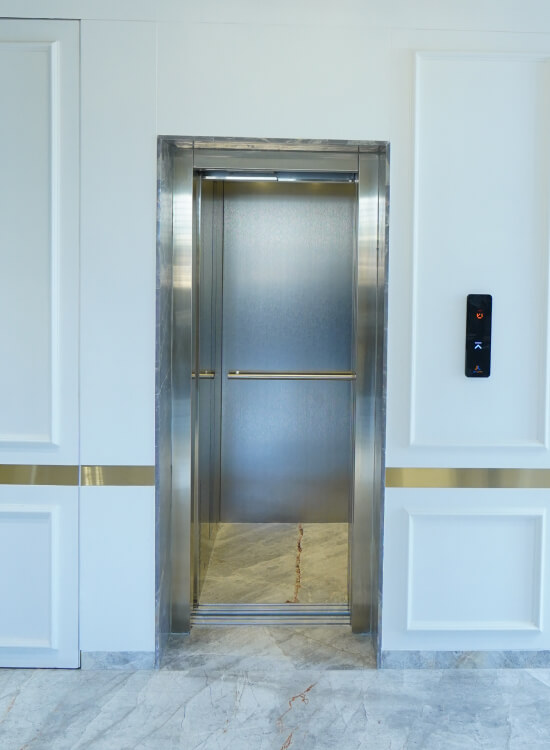
In the plan of a high-performance building, the elevator system functions like a circulatory system. In fact, if its significance is overlooked, elevator planning mistakes are the most frequent ones, and the most expensive to be found during the construction phase. For an architect, a simple mistake at the very beginning of the design may result in structural restrictions forever, higher maintenance costs, and unhappy tenants, securing your project’s long-term operational success and overall building safety.
At Jet Lifts, we are experts in finding connections between the architectural concept and the implications of vertical transportation. We pinpoint common elevator design mistakes at the earliest stage, so that your projects go smoothly from the drawing board to the final inspection.

1. Inadequate Traffic Analysis and Capacity Planning
One major error in lift planning errors in buildings is not properly forecasting the building’s population movement. Architects usually decide on the number of elevators based on the total area instead of the usage pattern during the peak time.
- The mistake: Not anticipating the “morning rush” at office buildings or the “delivery surge” in residential high-rise apartments.
- The problem: Long waiting times, overfilled elevator cars, and thus a significant loss in the building’s market value.
- The solution: Get a professional traffic analysis done at an early stage. To avoid wrong elevator selection problems, pick the right speed and capacity according to your specific type of occupancy.
2. Elevator Shaft Design and Structural Errors
The hoistway is more than just a hollow column; it is a precision-engineered space. One of the reasons for elevator shaft design mistakes is poor communication between the architect and elevator contractor.
- The mistake: Designing elevator shafts without enough pit depth or overhead clearance.
- The issue: Nowadays, lifts need certain safety buffers. If the shaft is too short or the ceiling too low, it leads to elevator design problems in construction, where the lift can’t get a legal certification, and the building will have to be structurally adapted at a great cost.
- The way forward: Collaborate with Jet Lifts to check the dimensions of the specific model. Make sure that your elevator design coordination issues are sorted out before the first concrete pour.
3. Neglecting Machine Room-Less (MRL) Requirements
Machine Room-Less (MRL) elevators are a popular choice amongst many modern designs nowadays, as they allow the saving of space. Nevertheless, designers get into trouble with architectural mistakes in elevator planning when making the wrong assumption that MRL means “zero space required” for control systems.
- The Mistake: Neglecting the necessity of having an integrated control closet or specialized ventilation.
- The Problem: The components heat up due to a lack of proper ventilation, leading to elevator planning issues in high rise buildings where maintenance personnel have no access to the components.
- The Solution: Assign some space for the controller and make sure the hoistway is ventilated adequately to allow the heat generated by the motor to be dissipated.
4. Poor Placement and Lobby Congestion
A frequent cause of common lift planning mistakes in buildings is the way the lobby area is “stacked.” For instance, if elevators are hidden in dark corners or are positioned too far from the main entrance, users will have a bad experience.
- The Mistake: Elevators were placed in a “straight line” rather than being grouped into a “bank.”
- The Problem: People have to walk further, and the lobby gets more congested because they are crossing each other’s paths to take the last arriving lift.
- The Solution: Elevators in banks should be grouped to increase their visibility and the overall efficiency of the system. Also, make sure there is enough “lobby depth” so that those waiting for their turn do not block the main building thoroughfares.
FAQs
- What are the most common elevator design problems in construction?
A majority of issues are related to elevator design coordination issues, for example, electrical feeds being put on the wrong wall or hoistway doors not aligning with finished floor heights. These kinds of problems can be eliminated as early as possible if an elevator consultant reviews the shop drawings. - What is the effect of an elevator shaft design mistake on the project budget?
Fixing an out-of-plumb shaft or one that has the wrong dimensions after the structure is built is one of the most serious elevator planning mistakes architects make. It might cost several tens of thousands of dollars, and the building’s opening can be delayed by months. - Why is “wrong elevator selection” a frequent issue?
Sometimes architects choose elevators based on price or looks without taking the duty cycle into account. If a residential grade lift is used in a busy hotel, it will continuously break down, which is a classic example of wrong elevator selection problems.
Conclusion
Vertical transportation comprises various aspects that require in-depth knowledge. You can save the design quality and the client’s money if you stay clear of typical elevator planning mistakes that architects are prone to.
Jet Lifts is dedicated to assisting architects and developers in overcoming these issues. We offer the know-how to guarantee your building’s flow is perfect, be it through a traffic study at the outset or the last installation. Ready to ensure your project’s vertical flow is flawless? Visit Jet Lifts today to consult with our experts on your next design!