



19 May, 2026
Parking Elevator Design: Safety & Failure Scenarios
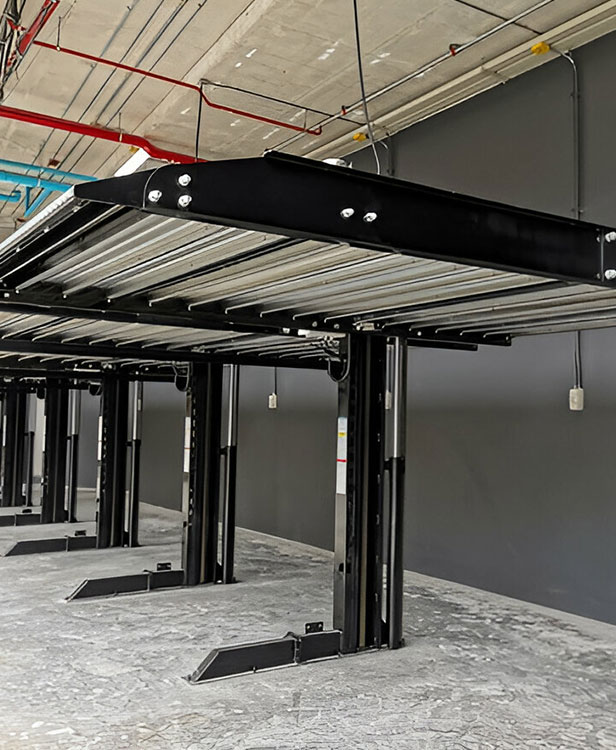
Nowadays, modern commercial buildings increasingly depend on advanced parking systems because it has become necessary these days to maximize space efficiency and improve vehicle management. However, it is necessary to ensure compliance with parking elevator safety requirements to maintain operational reliability, protect users, and prevent costly system failures. Poor planning, inadequate maintenance, and incorrect load calculations can cause breakdowns and expensive repairs.
Jet Lifts has been known to provide customized parking elevator systems designed for commercial buildings and automated parking facilities for the last 16 years.
Understanding Parking Elevator Safety Requirements
Parking elevators are specially designed to transport vehicles safely between multiple floors while handling varying vehicle sizes and traffic conditions.
Some important parking elevator safety requirements are mentioned below:
- Doing proper load capacity and calculation.
- Installing emergency braking systems.
- Adding fire and seismic protection measures.
- Vehicle positioning sensors.
- Adding backup power systems.
- Adding safety interlocks and door protection.
- Routine inspection and maintenance compliance.
Car Elevator System Design Guidelines
Effective elevator planning starts with proper engineering analysis, and following the right car elevator system design guidelines can be helpful to prevent premature system failure and operational inefficiencies.
Structural Planning and Shaft Design
The elevator shaft must be designed with accurate dimensions and load-bearing calculations because even a small structural error can compromise elevator alignment and long-term reliability.
Businesses planning parking systems should review this guide https://www.jetlifts.com/blog/elevator-shaft-design-requirements-dimensions-tolerances-errors/.
Selecting the Right Elevator Technology
Different buildings require different technologies based on traffic volume and space availability.
Some of the most popular parking elevator technologies include:
- Hydraulic parking lifts.
- Traction systems.
- MRL (Machine Room Less) gearless systems.
- Automated robotic parking systems.
Modern MRL Systems are widely preferred for energy efficiency and space optimization in high-rise commercial buildings.
For low-rise applications, the hydraulic system remains a reliable and cost-effective option.
Automated Parking System Safety Issues
Automated parking systems improve efficiency, but they also introduce unique operational risks. Yet understanding common automated parking system safety issues is essential for developers and facility managers.
Sensor and Software Failures
Automated systems heavily depend on embedded devices such as sensors, cameras, and software controls.
Vehicle Weight Variations
Modern SUVs and electric vehicles are heavier than older vehicle models, and if systems are not upgraded accordingly, then pressure from excessive load can damage lifting components.
Power Supply Interruptions
Power failures may trap vehicles inside automated parking systems unless backup power solutions are installed.
Human Operational Errors
Improper vehicle positioning and unauthorized usage may also contribute to accidents and system damage.
Common Parking Elevator Failure Scenarios and How to Prevent Them
Parking elevators experience high daily usage, which is why making preventive maintenance and accurate design is very important.
Overloading and Load Miscalculations
One of the major reasons why parking lift systems fail in commercial buildings is incorrect load estimation.
Some of the major examples include:
- Underestimating vehicle weight.
- Ignoring electric vehicle battery loads.
- Uneven platform loading.
- Excessive traffic cycles.
Some Prevention Tips:
- Always conduct a professional load analysis.
- Design for future vehicle trends.
- Always install overload monitoring systems.
- Schedule routine inspections.
Hydraulic Leakage and Pressure Failure
Hydraulic systems can experience oil leaks or pressure imbalance over time, which also reduces their operational efficiency.
Preventive measures include:
- Regular seal inspections.
- Pressure testing.
- Scheduled hydraulic fluid replacement.
Cable and Traction Wear
Traction elevators can get cable fatigue due to repeated high-frequency operation.
Preventive maintenance should include:
- Cable tension inspections.
- Motor performance checks.
- Brake system testing.
Parking Elevator Maintenance Issues
Proper maintenance is necessary to minimize downtime and ensure passenger and vehicle safety.
Some common parking elevator maintenance issues are mentioned below:
- Sometimes sensors malfunction.
- Sometimes door alignment problems.
- Hydraulic fluid contamination.
- Motor overheating.
- Error in control system software.
- Platform vibration and instability.
Benefits of Preventive Maintenance
There are many benefits of preventive maintenance that is availed by many businesses such as:
- It reduces emergency repair costs.
- It improves operational reliability.
- It increases equipment lifespan.
- It improves user safety.
- It lowers downtime risks.
- It increases energy efficiency.
Parking Lift Modernization Solutions
Older parking systems struggle to meet modern safety and efficiency expectations.
Some of the most popular parking lift modernization solutions include:
- Smart control systems.
- Energy-efficient motors.
- Advanced overload sensors.
- Touchless operation technology.
- Remote monitoring systems.
- Modern braking and safety mechanisms.
Developers can also improve sustainability by selecting energy-efficient elevator technologies by taking initiatives for energy consumption comparison across elevator technologies.
Conclusion
Parking elevators play an important role in modern urban infrastructure because these days, safety and reliability depend heavily on proper engineering and compliance planning and understanding parking elevator safety requirements helps businesses to reduce operational risks and prevent costly system failures.
Are you looking for reliable parking elevator solutions? Then contact Jet Lifts today to request a customized quote for your commercial parking elevator system.
FAQs
What are the safety requirements for parking elevators?
There are many safety requirements that are necessary for parking elevators. Some of them are very necessary, such as ASME safety standards, local building regulations, and regular inspection requirements.
Why do parking lift systems fail in commercial buildings?
Some of the common causes include poor maintenance and hydraulic failures.
How do load miscalculations affect parking elevator safety?
Load miscalculations affect parking elevator safety in many ways, such as increased stress on motors, cables, platforms, and hydraulic systems.
What are common parking elevator maintenance issues?
Some of the most common parking issues are mentioned below:
- sensor failures.
- Hydraulic leaks.
- Cable wear.
- Software malfunctions.
- Platform instability.
What are the benefits of parking lift modernization solutions?
Some of the major benefits are safety, energy efficiency, reliability and long-term maintenance performance.
How can businesses request a quote for a car elevator system?
Businesses can contact professional elevator providers to evaluate site conditions and technology options before installation.