



12 Aug, 2026
Why Elevators Fail During Initial Operation Phase
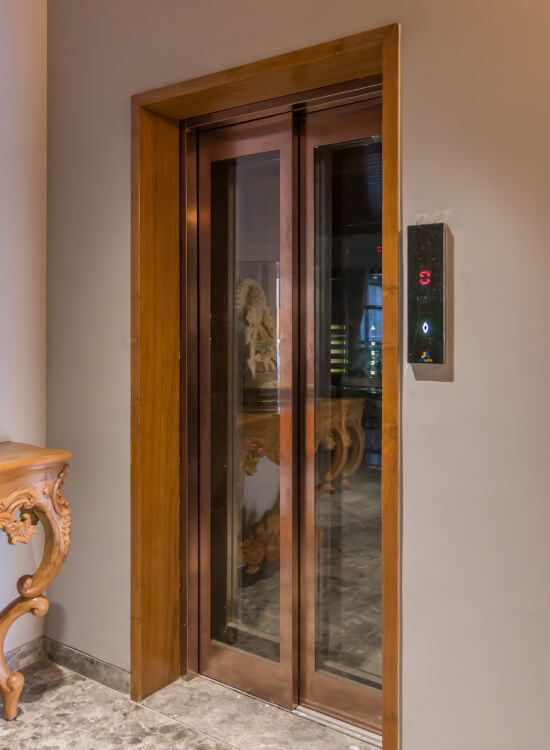
It is possible for an elevator that has successfully completed all the tests of commissioning to malfunction during its initial operation. This phenomenon confuses the property owner much more than any repair in the future because the equipment is new and its certificate is also new. There are five reasons for the stalling of the elevator, and the equipment itself is unlikely to be damaged in all cases. The phenomenon is observed in different types of buildings, from residential ones to the commercial elevators in Ajmer where Jet Lifts works, where a large number of visitors during the first month of operation is usually higher than that during the tests.
The Five Causes Behind Most Elevator Startup Failures
Elevator startup failures cluster around dust, power, adjustment, misuse and neglect. Work through these five before blaming the equipment.
#1 Construction Dust in the Door Sills and Guide Rails
The majority of the calls regarding early breakdowns are related to door malfunctions. In residential or office buildings, the cause of the malfunction can usually be dirty premises. Dust from the cement gets into the shaft, dust brought by workers from outside gets into the lift mechanism, and this stops the mechanism from functioning. Furthermore, dust forms noise and other operational issues within the lifts.
#2 Unstable Power Supply and Voltage Fluctuation
Voltage swings damage control boards, and new buildings are the worst offenders because the mains connection is often shared with ongoing site work. Welding sets and cutters on the same supply push spikes into the lift controller. The result reads like random elevator system faults: the lift resets mid-travel, error codes appear and vanish, boards fail young. A voltage stabiliser sized for the lift is cheaper than one controller replacement. Fit it before handover, not after the first board burns.
#3 Rushed Commissioning Leaves Adjustments Half Done
Elevator problems arise in various forms, including but not limited to, malfunctioning doors and delayed calls that go unanswered. The malfunction does not refer to a defective part. A time constraint as a result of the occupancy of the building comes with limitations in making adjustments, and the consequence is revealing itself gradually. It is rare to see genuine elevator installation defects; instead, the more common case is vibrations along an elevator path, which identifies an installation defect.
#4 Misuse During the Fit-Out Phase
All new elevators can be damaged beyond repair if used as a material lift. One thing that you cannot allow is running the lift while overloaded, wedging the doors with bricks and running the material with the lift, since it may lead to a lot of elevator initial operation issues, which are not covered under the warranty. The best thing is to use a separate elevator service during the construction or disable the elevator system from being used until the tenants move in.
#5 No Maintenance Plan From Day One
A new lift with no AMC gathers faults quietly. Minor elevator maintenance issues- a dry rail, a loose terminal, a door shoe wearing unevenly- cost nothing to correct in month one and become elevator operational failures by month six. Start the maintenance contract from the day of handover. The gap between “licensed” and “first service visit” is where small problems compound.
How to Tell an Installation Defect From a Maintenance Issue
The line matters because it decides who pays. A defect is present from day one and repeats under the same conditions: vibration at the same floor, a door that has never closed cleanly, levelling that was never right. A maintenance issue develops with use and worsens gradually. Structured elevator troubleshooting starts with the error log in the controller, which timestamps every fault and separates a pattern from a one-off.
Report elevator safety faults, anything involving the brake, interlocks or levelling at a landing, to your installer the same day, in writing. Everything else can wait for the scheduled visit. This discipline applies at every scale, from a compact home lift like the Manor 100 E to the heavy-traffic commercial elevators in Godhra we maintain, where the error log settles most warranty conversations in minutes.
Conclusion
Most elevator startup problems are preventable by the owner, which is the uncomfortable part. Clean the sills, stabilise the supply, protect the lift during fit-out, and start the AMC on handover day. Do those four things and the first year of service looks the way the brochure promised.
If your new lift is already misbehaving, Jet Lifts can read the controller log, separate defect from damage, and put the machine right. Book a service inspection before a small fault becomes a stoppage.
Frequently Asked Questions
1. Why Do New Elevators Break Down in the First Few Months?
Most elevator startup issues occur because of dust getting inside the door tracks, voltage coming from site power supply problems, incomplete commissioning adjustments, misuse during the construction work and no maintenance contract with the elevator manufacturer. Equipment breakdown is the least common reason causing elevator problems.
2. Are Elevator Startup Failures Covered Under Warranty?
Genuine defects and installations are protected under guarantees, while damage caused by misuse is not. The lift shall not be able to pass the warranty inspection if it was used to transport construction materials or to operate with an unstable power supply. The log of elevator faults in the control system and the handover paperwork will help to resolve disputes.
3. What Are the Most Common Elevator System Faults in a New Building in India?
Door operator faults are in the first place in the list of elevator problems, closely followed by controller voltage problems. Conditions at construction sites in India complicate the situation because cement dust gets in the sills and door tracks very fast, and shared power supply systems create spikes in the control system.
4. When Should Elevator Troubleshooting Involve the Installer?
Immediate action should be taken if there are safety problems with elevators regarding brakes, door locks and levelling the floor. For recurring but non-safety elevator performance issues, log the date and symptom, and hand the pattern to the installer at the next visit. Written reports protect your warranty position.