



14 May, 2026
Industrial Elevator Load Miscalculations: Costly Real-World Examples
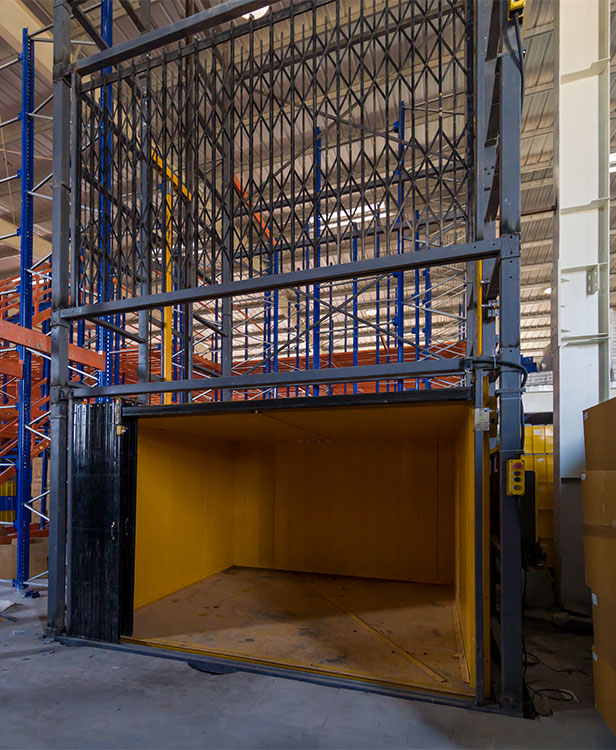
Industrial elevators are designed to move heavy materials and equipment safely in multiple floors. Although, elevator load miscalculation problems is still one of the leading causes of system failures, especially seen in industrial elevator projects in Baroda. From warehouses and manufacturing plants to logistics hubs and commercial complexes, even a small mistake in load estimation can create serious operational and safety risks.
Nowadays, modern industrial projects need accurate planning from the beginning. Factors such as traffic flow and usage frequency must be carefully analyzed during the design stage. Businesses planning new installations can get benefit by understanding how lift pit and overhead errors could increase the project cost.
We have more than 16 years of expertise in vertical transportation and we provide advanced industrial lifting solutions tailored for heavy-duty environments, improving long-term performance.
Understanding Elevator Load Miscalculation Problems
Industrial elevators operate under demanding conditions where accurate load calculations are critical. A freight elevator designed for 2000 kg but consistently handling 2500 kg will experience excessive strain on motors and structural components.
Some of the most common elevator overloading issues in industrial buildings are mentioned below:
- Frequent shutdowns.
- Motor overheating.
- Premature cable wear.
- Door alignment failures.
- Reduced travel speed.
- Structural stress on shafts and rails.
- Increased maintenance costs.
Real Examples of Industrial Elevator Load Miscalculations
Manufacturing Plant Equipment Overload
A manufacturing facility installed a goods elevator primarily intended for pallet transport. Although, operators later began using the same lift for heavy industrial machinery without recalculating capacity requirements and this results in manufacturing plant equipment overload.
This is one of the most common real examples of industrial elevator load miscalculations, where future operational changes are ignored during the planning stage.
Warehouse Distribution Center Failure
A logistics warehouse generally underestimates peak-hour loading patterns and on the other side individual loads remained within limit, a situation commonly seen in industrial elevator projects in Rajkot.
This case demonstrates how load miscalculations impact elevator performance and lifespan.
Construction Material Handling Error
In another industrial site, contractors failed to account for dynamic load movement while transporting construction materials and these construction material handling errors.
Such incidents are often linked to elevator structural load calculation mistakes.
Causes of Elevator Overload Failure
Several engineering and operational mistakes are the reason behind industrial elevator failures.
Incorrect Weight Assumptions
One of the biggest issues that is responsible for major failure is that inaccurate cargo estimation is that businesses generally calculate average loads instead of maximum operational loads.
Some of the most common examples:
- Machinery weight can increase after assembly.
- Liquid-filled containers become heavier during operation.
- Multiple pallets may exceed combined limits.
These errors directly contribute to causes of elevator overload failure.
Ignoring Future Expansion
Industrial facilities generally scale operations with time. Elevators initially designed for moderate usage may later handle significantly higher traffic and weight volumes.
Poor Shaft and Structural Planning
Elevator systems require proper structural integration. Inadequate shaft dimensions or poor overhead calculations can degrade performance.
Businesses can better understand these risks by reading this guide.
Common Mistakes in Freight Elevator Load Calculations
Underestimating Dynamic Loads
It can be dangerous to perform static weight calculations alone because moving loads can cause additional force during acceleration and deceleration.
This is one of the major causes behind common mistakes in freight elevator load calculations.
Overlooking Load Distribution
Uneven cargo placement can destabilize elevator platforms and create rail pressure imbalance for the gearless system.
Misjudging Usage Frequency
Many planners focus only on weight capacity while ignoring trip frequency and operating cycles.
A lift operating continuously for 18 hours daily requires significantly stronger components than one used occasionally.
Ignoring Building Characteristics
Some of the major things on which anyone should focus building height and industrial processes because they directly influence elevator system selection and choosing the wrong technology can be responsible for reducing efficiency and durability during operations.
Preventing Elevator Breakdown Due to Overloading
Industrial businesses can reduce the risks of elevator breakdown through proper planning and maintenance.
Some of the best Practices Include:
- Conducting a professional load analysis before installation.
- Monitoring actual usage patterns regularly.
- Installing overload detection systems.
- Training operators on safe loading procedures.
- Scheduling preventive maintenance inspections.
- Choosing elevators specifically designed for industrial applications.
Why Industrial Businesses Choose Jet Lifts
Industrial Businesses choose because Jet Lifts because it has delivered advanced vertical mobility systems for almost all types of projects such as industrial, commercial, residential, healthcare, and accessibility.
Major benefits of choosing us are given below:
- We have 16+ years of industry experience.
- We provided heavy-duty industrial lift expertise.
- Advanced traction and hydraulic systems.
- Customized load-based engineering.
- Energy-efficient elevator technologies.
- End-to-end installation and modernization support.
Jet Lifts focuses on creating reliable and safe lifting systems.
FAQs
What causes elevator overload failure in industrial buildings?
The most common causes behind the overload failure are inaccurate weight estimation, uneven load distribution, excessive usage frequency, and poor structural planning.
How do load miscalculations impact elevator performance and lifespan?
Load Miscalculation impact elevator performance and lifespan by increasing stress on motors, cables, brakes, and guide rails. These things causes leading to frequent breakdowns and shorter system lifespan.
What are common mistakes in freight elevator load calculations?
Some common mistakes are ignoring dynamic forces, underestimating future usage, and focusing only on average load instead of maximum load.
Conclusion
Understanding elevator load miscalculation problems helps businesses to avoid system failures and premature equipment replacement.
By choosing experienced elevator partners and conducting proper engineering analysis, industrial facilities in regions like industrial elevator projects in Indore can ensure safe and efficient vertical transportation for years to come.
Are you looking for reliable industrial elevator solutions? Then contact Jet Lifts today for expertly engineered lifting systems designed for heavy-duty industrial performance.